
「さらパパー!」
今朝も子どもたちの声が、柏の葉の空に弾ける。東大柏キャンパス
世の中には、さまざまな音がある。娘は幼い頃から邦楽を学び、そ
しかし、朝、一日を切り拓く力がほしいときには、別の音楽がいる
「さらパパ、三億歳ってほんとー?」「地層から発見されたんだっ
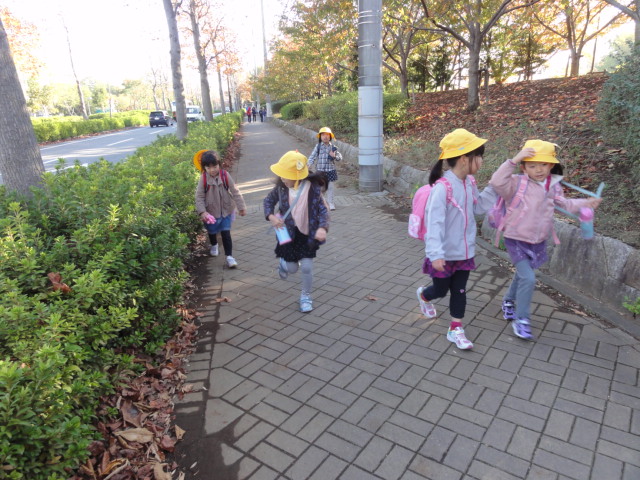
笑い声、呼び合う声。ランドセルの揺れ、落ち葉を踏む足音が拍子
大学の研究室というものは、ともすれば静寂と思索の世界に閉じこ
大学と小学校と保育園が融け合うこの柏の葉という場所は、知の最
今朝も「さらパパ」は、オーケストラと共に歩を進める。柏の葉に
“Sara Papa!”
Children’s voices burst across the sky of Kashiwanoha again this morning. Next to the
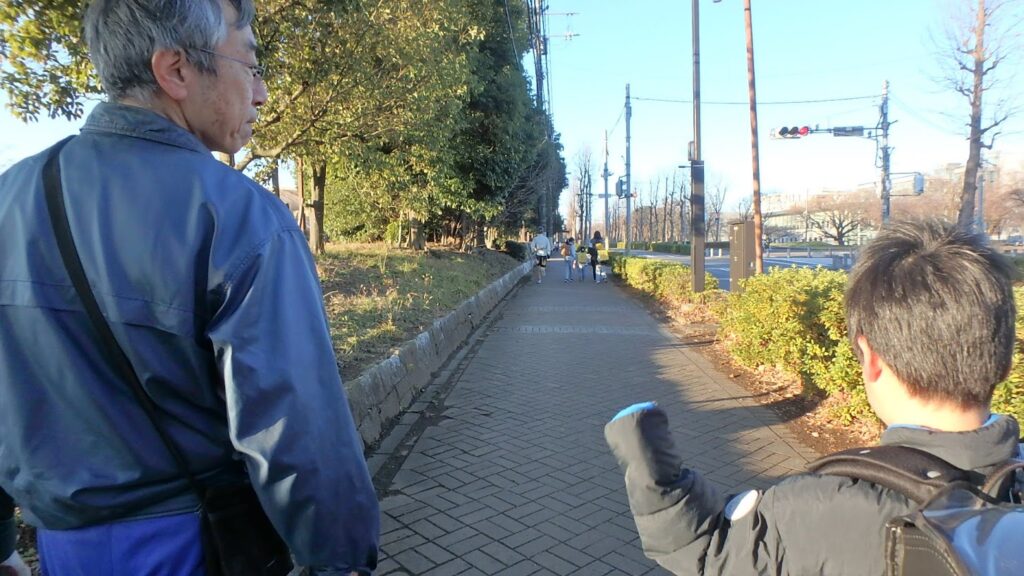
University of Tokyo’s Kashiwa Campus is an elementary school, and just across the road within the campus sits a nursery. “Sara Papa” used to walk his daughter there every morning. First to nursery school, then to elementary school. Even after she grew up, he kept walking the same route with neighborhood children. Before he knew it, fifteen years had passed. He’s
now a well-seasoned “Sara Papa.”
The world is full of different kinds of sound. My daughter has studied traditional Japanese music since she was young, and sitting beside her, I came to appreciate the rich tones of the koto. (Instruments with movable bridges are written as koto [箏], while those without are written as kin [琴].) Its wood-grained resonance seems to breathe with life, gently untangling the mind. When you’re tired or in need of calm, there’s nothing quite like it.
But in the morning, when you need the power to carve open the day, you need a different
kind of music. A living rhythm that blows away drowsiness and hesitation, igniting a fire
deep within the body. That music is the voices of children. My daily startup sound is
their calling voices.
“Sara Papa, are you really 300 million years old?”
“They say you were found in rock layers!”
“Did you run away from a Tyrannosaurus?”
Laughter and calling voices. The swing of school bags and the crunch of fallen leaves mark the beat. Without any conductor, the sounds layer together, creating an improvised performance. It feels like boundary-breaking free jazz, or perhaps a free-spirited orchestra. The 1.5-kilometer walk to school becomes a veritable “walking improvised orchestra”
concert.
A university lab can easily become a quiet, inward-looking place. But the sound of children laughing outside the window softens and stirs up the atmosphere that tends to stiffen in a research institution. Even the small bursts of excitement from nursery children on their walks feel like an endearing harmony, giving me a quiet push forward.
Kashiwanoha, where a university, an elementary school, and a nursery melt together, may be a slightly special place where the cutting edge of knowledge and the future of children naturally meet along the same morning path. Perhaps the “energy to open new frontiers,” cultivated on this campus, is also nurtured through these everyday moments.
Once again this morning, “Sara Papa” walks on with his orchestra, as the vibrant tones of Kashiwanoha fill the air.